← Velometeo
What to Wear
What to Wear
Cycling at 20°C
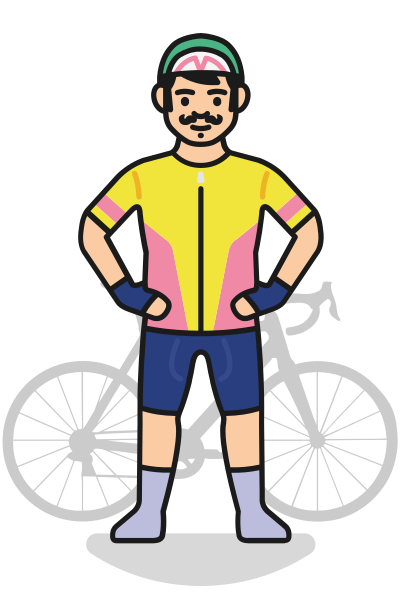
Twenty degrees is summer cycling at its most straightforward. The kit decisions are simpler than at cooler temperatures — but there are still a few things riders commonly get wrong, particularly around sun protection and what to carry for changing conditions.
| Item | Status | Notes |
|---|---|---|
| Bib shorts | Essential | Standard cycling bib shorts. Lightweight and well-padded for your ride duration. |
| Short sleeve jersey | Essential | Lightweight and breathable. A summer-cut jersey with good ventilation is ideal. |
| Sunscreen | Essential | SPF 30 minimum on all exposed skin. Reapply on rides over 2 hours. Cyclists burn faster than they expect. |
| Sunglasses | Essential | UV protection and eye protection from insects and road debris. Not optional at speed. |
| Lightweight mesh base layer | Optional | Counterintuitively, a mesh base layer keeps you cooler by wicking sweat away. Worth trying if you overheat. |
| Packable gilet or windbreaker | Optional | Carry for long descents or routes that climb high enough for a temperature drop. |
| Fingerless gloves | Optional | Padding for the palms and grip in sweaty conditions. A personal preference at this temperature. |
| Arm warmers | Skip | Too warm at 20°C. Leave these at home unless your route climbs above 2,000m. |
| Bib tights or knee warmers | Skip | Unnecessary at 20°C. Thermal leg coverage will make you overheat quickly. |
💡 Pro tip: A lightweight mesh base layer at 20°C sounds wrong but works well. It keeps sweat off your skin, reduces the clammy feeling on long rides, and actually makes you feel cooler during hard efforts. Worth trying if you find yourself overheating in just a jersey.
Sun Protection Is Not Optional
Cyclists are unusually vulnerable to sun exposure. You are outside for hours, often facing into the sun, at a position where the back of your neck and the tops of your knees receive constant direct radiation. A two-hour ride in summer sun is enough to cause a significant burn on unprotected skin.
Apply SPF 30 or higher to all exposed areas before every ride: face, neck, arms, the back of your knees, and the strip of skin between your gloves and jersey sleeves. For rides over two hours, carry a small tube in your jersey pocket for reapplication.
Hydration Changes at 20°C
At 20°C you sweat significantly more than at cooler temperatures, and the rate increases further on hot days or in direct sun. A general rule for summer riding: 500ml per hour for moderate effort, 750ml or more per hour in the heat or on hard efforts.
Start drinking early in the ride rather than waiting until you feel thirsty. Thirst is a late signal — by the time you notice it, you are already mildly dehydrated. Electrolyte drinks or tablets are worthwhile on rides over 90 minutes, particularly if you are a heavy sweater.
⚠️ Mountain routes at 20°C: If your ride climbs to altitude, temperature drops roughly 1°C per 100 metres of elevation gain. A 20°C start at sea level becomes around 12°C at 800m. Carry a light gilet or windbreaker for any route with significant climbing, even on warm summer days.
What to Carry for Changing Conditions
At 20°C your jersey pockets are rarely needed for warmth layers, which means they are available for other things. Use the space for a packable wind jacket or gilet if your route includes long descents, extra food for rides over 3 hours, a phone and emergency cash, and a small tube of sunscreen for reapplication.
A lightweight wind gilet that compresses to the size of a fist is worth carrying on any summer ride over 3 hours. A fast-moving thunderstorm or an unexpected mountain descent can turn a comfortable 20°C day into an unpleasant experience within minutes.