← Velometeo
What to Wear
What to Wear
Cycling in Rain
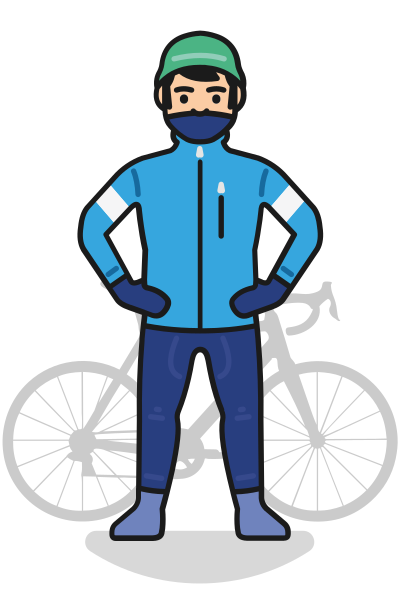
Riding in the rain is one of those things that separates cyclists who ride year-round from those who do not. The right gear makes it tolerable — sometimes even enjoyable. The wrong gear makes a short ride miserable. Here is exactly what works.
| Item | Status | Notes |
|---|---|---|
| Waterproof cycling jacket | Essential | A proper cycling-cut waterproof — not a wind jacket or a running jacket. Look for sealed seams and a long back panel. |
| Waterproof overshoes | Essential | The single highest-impact item for wet weather comfort. Neoprene is best; even cheap versions make a big difference. |
| Full-finger gloves | Essential | Wet hands go numb fast. Waterproof gloves are ideal; regular winter gloves are better than nothing. |
| Clear or lightly tinted glasses | Essential | Rain in your eyes at speed is dangerous. Dark lenses make visibility worse in grey rainy conditions. |
| Thermal base layer | Essential | Rain is usually accompanied by lower temperatures. A base layer keeps you warm even as the outer layers get wet. |
| Bib tights | Optional | Depends on air temperature. Essential in cold rain, optional if rain falls at 18°C or above. |
| Mudguards | Optional | Clip-on mudguards prevent road spray up your back and onto your face. Worth fitting on your rain bike if you have one. |
| Front and rear lights | Essential | Visibility drops dramatically in rain. Run lights even during daylight hours — drivers see you much later in wet conditions. |
| Cotton base layer | Skip | Cotton holds water against your skin. You will feel colder wet than you would with no base layer at all. |
💡 Pro tip: No cycling jacket stays fully waterproof after a sustained heavy downpour — eventually water finds a way through or through the zips. The goal is to stay warm and mostly dry, not bone dry. A good base layer is your insurance policy when the jacket eventually succumbs.
Waterproof Jackets — What Actually Works
There is a big difference between a waterproof jacket and a water-resistant jacket. Water-resistant jackets repel light rain for a short time, then soak through. Waterproof jackets have a membrane (usually Gore-Tex or a similar material) that blocks sustained rain while remaining breathable.
For cycling, look for a jacket with a long back panel that covers your lower back when in a riding position, a dropped hem at the rear, sealed or taped seams (not just waterproof fabric), and a cycling cut — a standard jacket bunches up and flaps at speed in a way a cycling jacket does not.
Breathability matters too. A fully waterproof but non-breathable jacket will trap sweat inside until you are just as wet from the inside as the outside. Higher-end membranes (2.5-layer, 3-layer Gore-Tex) breathe better under hard effort.
Road Safety in Wet Conditions
Wet roads change the risk profile of every ride. Braking distances increase significantly — a road bike tyre on wet tarmac takes roughly twice as long to stop as on dry. Start braking earlier than you think you need to, especially on descents.
Road markings, drain covers, and wet leaves become extremely slippery in rain. Painted lines at junctions and metal drain covers have almost no grip when wet — treat them like ice and avoid braking or cornering sharply when on them.
⚠️ Be seen — not just protected: Rain reduces visibility for drivers far more than most cyclists realise. A driver looking through a rain-streaked windscreen at dusk in a downpour may not see you until they are 30 metres away. Use a powerful rear light, a bright jacket, and a front light even during daylight in heavy rain.
Protecting Your Phone and Kit
Rain ruins electronics quickly. Use a waterproof phone case or a small dry bag inside your jersey pocket. If you rely on your phone for navigation, a waterproof bar mount case is worth the investment for regular rain riding.
After a wet ride, dry your kit and shoes properly before storing them. Wet shoes left in a bag grow mould quickly and lose shape. Stuff road shoes with newspaper overnight — it absorbs moisture more effectively than leaving them open to air dry.